How Much Does Towing Really Cost? Breaking Down Fees & Factors
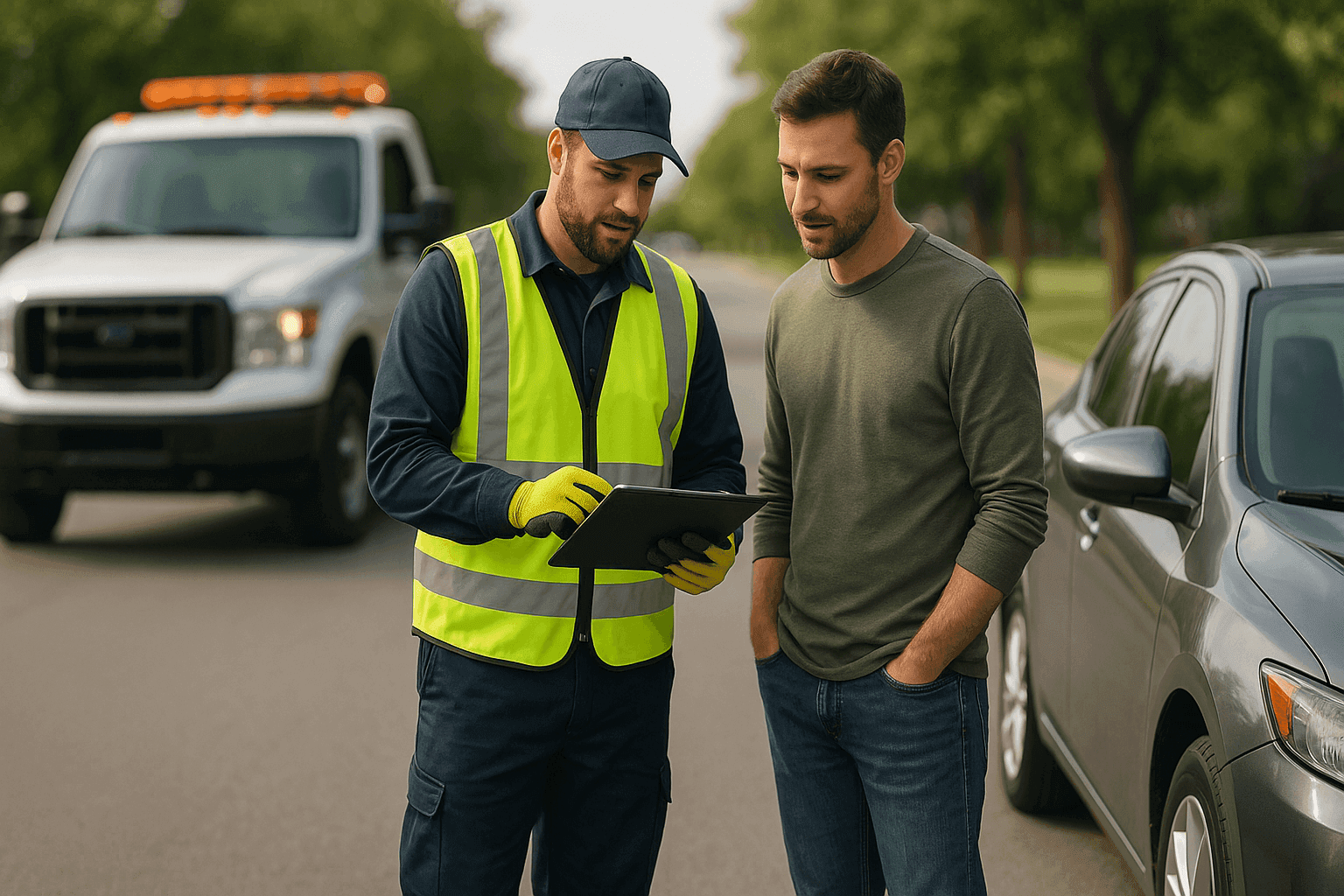
When your car won’t start, your truck’s stuck, or your RV needs a lift, the last thing you want is a mystery bill. At T.W. Towing, we get it—unexpected breakdowns are stressful enough without worrying about hidden fees or confusing charges.
Let’s take the confusion out of towing_services pricing. Whether you’re a homeowner with a flat tire or a business needing Equipment Transport near you, we’ll walk you through what really shapes your final bill—so you can plan ahead and avoid surprises.
Typical Towing Fees
Everyone wants to know: “What’s this going to cost me?” While there’s no one-size-fits-all answer, most towing_services start with a base fee. Think of it as the price to get the tow truck rolling out to you—like the cover charge at a concert, just for showing up.
What’s usually included in a basic service?
- Dispatch and arrival of a standard tow truck
- Hookup of your vehicle (car, SUV, or light truck)
- Short-distance transport (usually a few miles)
- Basic roadside help, such as a jump start or tire change when specified
This base rate covers the essentials. If your request falls within these bounds, you’re likely paying the standard fare. But what happens when the situation isn’t so simple? That’s where variables come in.
Factors That Affect Towing Costs 🚗
No two breakdowns are identical. Just like a pizza order changes with every topping, your final towing_services bill is shaped by several important ingredients.
Distance
The farther your vehicle needs to go, the higher the cost. Most providers charge per mile after an initial included distance. Whether you’re heading across town or need long-distance towing, mileage matters.
Vehicle Size and Type
A motorcycle isn’t the same as a heavy-duty truck or a loaded trailer. Big rigs, RVs, and specialty vehicles require extra muscle, equipment, and sometimes a different type of tow truck entirely.
Time of Day and Location
Midday in a city? That’s one thing. Midnight on a snowy backroad? That’s another. After-hours, weekends, and holidays often mean higher rates. Remote or hard-to-reach locations can also bump up the price due to travel time and accessibility.
Emergency and Specialty Service Surcharges
If you’re in a tight spot—like a ditch, mud, or after an accident—special equipment or urgent response may be needed. Emergency towing, winching, and off-road recovery come with additional fees, reflecting the complexity and risk involved.
Special Services and Add-Ons
Towing_services go beyond just hauling your car. Some scenarios call for expert handling, specialized equipment, or extra care.
Common add-ons that affect price:
- Accident Recovery: Involves extracting vehicles from tricky spots, accident scene management, and sometimes coordination with law enforcement.
- Winching Services: Pulling vehicles out of snowbanks, mud, or embankments.
- Heavy-Duty Towing: For buses, commercial fleets, or large construction equipment.
- Vehicle Storage: If your car needs to be stored after an accident or impound, storage fees apply per day.
- Fleet & Commercial Towing: Businesses with multiple vehicles may have unique pricing structures, especially for recurring needs.
- Boat or RV Towing: Larger, non-standard loads require the right rig and experienced operators.
- Accident Documentation Assistance: Support in recording damage for insurance claims or legal purposes.
Each layer—whether it’s extra mileage, unique vehicle needs, or storage—adds to the overall bill. The more complex the job, the more resources required, and that’s reflected in the cost.
Tips for Cost Transparency 📋
No one likes bill shock. Here’s how you can keep things crystal clear before, during, and after your call for help.
Questions to Ask Before Booking
- What’s included in your base rate for towing_services?
- Are there additional fees for mileage, after-hours service, or specialty vehicles?
- Is there a minimum charge or travel fee for Equipment Transport near you?
- What’s your process for accident recovery or off-road winching?
- How is storage charged if my vehicle can’t be released right away?
- Can you provide a written or itemized estimate before starting work?
Understanding Estimates, Invoices, and Insurance Coverage
A reputable provider will walk you through:
- A clear breakdown of services performed
- What each charge covers (labor, mileage, equipment use, storage)
- How insurance or roadside assistance programs may help offset costs
Keep your invoice for your records or insurance claims. For accident-related tows, ask about documentation—this can save you headaches later.
Insurance and Roadside Programs
Some insurance policies or auto clubs include towing_services as part of their coverage. Know your policy details: Is there a limit on miles or reimbursement? Does it cover specialty services like RV towing or Equipment Transport near you?
When possible, contact your insurer or roadside provider first. They may have preferred partners or set rates, and you’ll want to know what’s covered before agreeing to service.
What About Specialty Situations?
Some jobs truly go above and beyond. Here’s how the details can shape costs:
- Impound Services: Legal or municipal holds can mean additional administrative fees.
- Private Property Towing: Involves coordination with property owners and sometimes law enforcement.
- Fleet Towing Services: Businesses with frequent needs may have negotiated rates or contracts.
- Emergency Roadside Repairs: On-the-spot fixes (battery, tire, minor repairs) can be more cost-effective than a tow—but not always possible.
No two calls are identical. That’s why it’s critical to describe your situation in detail when you reach out. The more info you provide upfront, the more accurate your estimate.
How to Avoid Surprise Charges
The best way to dodge unexpected costs? Stay informed and proactive.
- Always ask for an estimate before service begins
- Clarify what’s included and what’s extra—don’t be shy about details
- Take note of the operator’s name, truck number, and contact info
- Get a copy of all paperwork, especially for accident or impound tows
For added peace of mind, familiarize yourself with local consumer protection guidelines, such as those outlined by the National Highway Traffic Safety Administration (NHTSA) and your state’s Department of Motor Vehicles.
Real-World Scenarios: Planning for Routine and Emergency Tows
Imagine this: Your car breaks down on a busy street. It’s a standard sedan, daytime, no accident. You’ll likely pay the base rate plus a small per-mile charge.
Now, picture your work truck stuck in deep mud after a storm, miles outside of town, at night. This is a whole different ballgame—winching, distance, after-hours service, maybe even heavy-duty equipment.
Or maybe you run a business with a fleet of delivery vans. A flatbed tow for a breakdown here and there adds up, but you might qualify for volume discounts or fleet service rates.
Towing_services are as varied as the vehicles and people who need them. Planning ahead—knowing what questions to ask, what details to share, and what documents to keep—can make all the difference between a smooth experience and a stressful one.
Final Thoughts
Towing_services pricing doesn’t have to be a mystery. At T.W. Towing, we’re committed to clear communication, fair billing, and helping you understand exactly what to expect—no matter if you’re stuck in a parking lot or managing a commercial fleet.
When in doubt, ask. Be specific about your needs. And remember, the right information now can save you time, money, and stress down the road.
Call T.W. Towing now — or reach us anytime at 855-552-1854 .