Accident Scene Management: How Towing Services Keep You Safe & Compliant
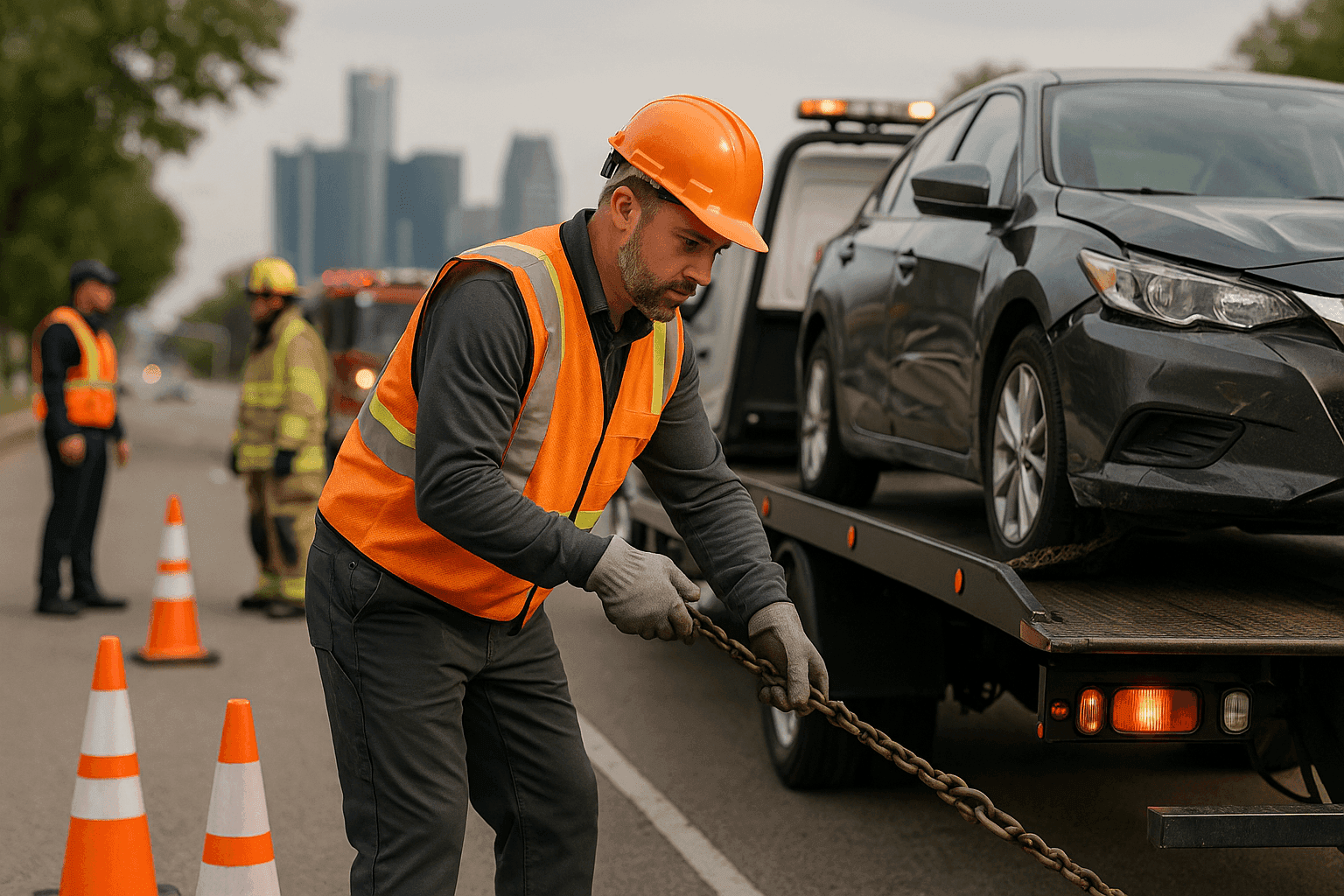
Accidents happen in the blink of an eye. One moment you’re on the road, the next, your day takes a detour. When vehicles collide or slide off the road, chaos can follow. It’s stressful. It’s messy. And every second matters for your safety and everyone else’s.
That’s where professional towing_services step in—not only to clear the wreck, but to guide you through the confusion with care, skill, and an eye on the law. At T.W. Towing, we manage accident scenes with precision and empathy, so you stay protected and compliant.
The Role of Towing at Accident Scenes
Picture an accident scene. Lights flashing. Horns blaring. Traffic backing up for miles. In that storm of activity, the right towing_services act like skilled referees—restoring order, flagging hazards, and making sure no one else gets hurt. 🚦
Immediate Actions:
- Securing the accident area with cones, flares, and signs
- Assessing vehicle stability and potential hazards (like leaking fluids or fire risk)
- Coordinating with police, firefighters, and EMTs to keep the scene safe
Towing operators are often first on the scene after emergency services. Their job? Prevent further damage, protect stranded drivers, and keep bystanders out of harm’s way.
Coordination Is Key:
Every move is coordinated with emergency responders. When seconds count, towing professionals must be calm, clear, and ready for anything. Think of them as the air traffic controllers of the highway—directing the flow, keeping everything under control.
Safety Protocols and Compliance
Safety isn’t just a buzzword—it’s a code. Towing operators at T.W. Towing follow strict safety protocols, not just for their own crew, but for every person at the scene.
How We Ensure Safety:
- Wearing high-visibility gear and using signal equipment
- Checking for hidden dangers, like downed power lines or unstable cargo
- Using the right equipment (flatbeds, winches, heavy-duty rigs) for each situation
Compliance Counts:
Laws and environmental rules shape every action. Operators must:
- Comply with state and federal towing regulations (see FMCSA and local DOT guidelines)
- Follow environmental guidelines to prevent fluid spills and manage hazardous materials
- Keep detailed records of each incident
Towing isn’t just about moving metal. It’s about protecting you, your property, and the environment—every single time.
Documentation and Claims Assistance
After a crash, details matter. Insurance companies and law enforcement need records, photos, and reports. That’s why T.W. Towing’s accident scene management includes professional documentation.
What We Handle:
- Photographing vehicle damage, road conditions, and debris
- Preparing written incident reports for your records and insurance claims
- Assisting drivers with accident documentation for legal and insurance purposes
Protecting Your Interests:
Our certified operators know how to gather evidence that supports your claim and protects your legal standing. We’re not lawyers, but we know what’s needed to keep things above board—and to help the process move faster.
What to Expect as a Driver
An accident can leave you shaken. Knowing what comes next can help you regain control.
Step-by-Step Accident Recovery:
- Arrival & Assessment:
Our towing team arrives, assesses the situation, and introduces themselves. - Securing the Scene:
Safety first—cones, flares, and quick checks for hazards. - Communication:
We explain the recovery process, answer questions, and ask for insurance info if needed. - Vehicle Recovery:
Using the right equipment, we safely remove your vehicle—flatbed, winch, or specialty tow. - Documentation:
Photos, reports, and a clear written summary are provided to you. - Transport & Storage:
If needed, we transport your vehicle to a shop, your home, or a secure storage facility.
What You Receive:
- Written accident summary
- Photos (if requested)
- Towing and recovery invoice for insurance
- Emergency contact information
Questions? We’re always ready to walk you through each step.
Certified, Trained Operators Make the Difference
At T.W. Towing, our operators are certified and continuously trained. We invest in their education—covering everything from equipment transport near you to the latest highway safety practices. That means when you call us, you get a team who knows the rules, respects your rights, and works with integrity.
No shortcuts. No surprises. Just honest, reliable help when you need it most.
Practical Tips for Drivers at Accident Scenes
A little preparation goes a long way. Here’s what you can do if you’re ever involved in a crash:
- Stay calm and check for injuries—call 911 if needed.
- Move your vehicle to a safe spot if you can do so safely.
- Turn on your hazard lights and set out flares or triangles.
- Exchange information with other drivers.
- Take photos of the scene and your vehicle.
- Never accept roadside help from unmarked vehicles or non-uniformed individuals.
Remember: Safety first, paperwork second. Let the pros handle the heavy work.
Frequently Asked Questions (FAQ)
How fast can a towing_service arrive after an accident?
Response times vary depending on traffic, weather, and location. Most urban calls are answered within 30–60 minutes. In rural areas or during storms, it may take longer.
What should I do while waiting for help?
Stay inside your vehicle if it’s safe, especially on busy roads. Use hazard lights, stay buckled, and keep your phone handy for updates.
Will the towing operator handle my insurance paperwork?
We’ll provide all documentation and photos you need for your claim. While we can’t file the claim for you, we make the process easier by giving you everything your insurer will ask for.
Is accident scene cleanup included?
Yes. Our services often include accident scene cleanup—removing debris, spilled fluids, and hazardous materials per local and state guidelines.
Local and Seasonal Considerations
Weather and road conditions change the game. In winter, icy roads mean more accident recoveries and tougher working conditions. In summer, more vehicles on the road can lead to higher accident rates. Our towing_services are equipped for every season—chains in winter, extra water in summer, and the right gear all year round.
Local rules also matter. Some municipalities have strict impound or accident cleanup regulations. At T.W. Towing, we stay up-to-date on the latest requirements, so you don’t have to worry about compliance.
References
- Federal Motor Carrier Safety Administration (FMCSA): Roadside and towing safety regulations
- Department of Transportation (DOT): State and national guidelines for incident management
- National Safety Council: Best practices for roadway incident response
Accidents are stressful. Managing the aftermath doesn’t have to be. When you need professional, compliant, and safety-first towing_services—T.W. Towing is here to help.
Call T.W. Towing now — or reach us anytime at 855-552-1854 .