Fleet Towing Services: What Businesses Should Know Before Hiring
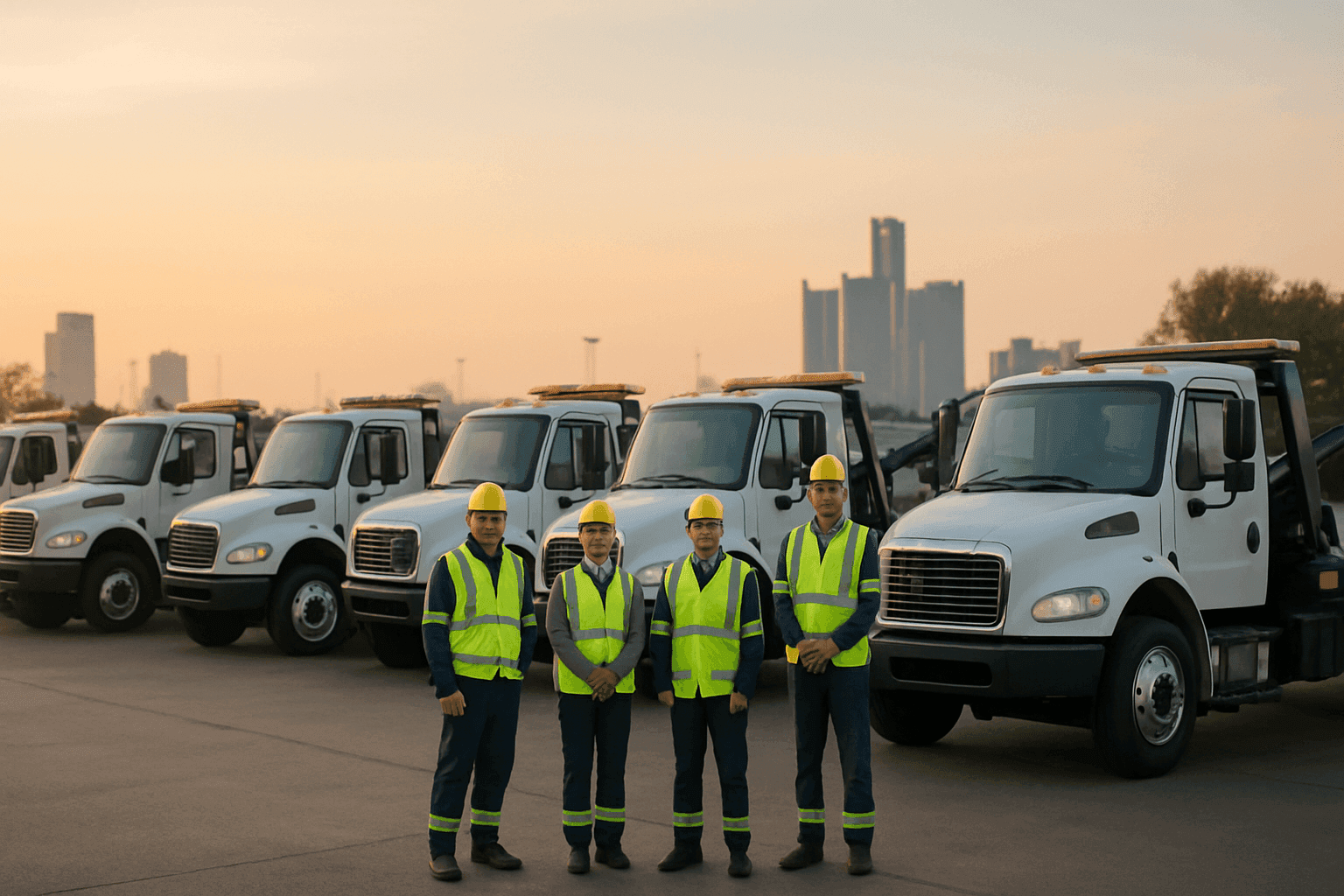
Running a business comes with enough challenges—don’t let fleet breakdowns or accident scenes throw a wrench in your operations. When your commercial vehicles are sidelined, every moment off the road is money lost and reputation at risk.
At T.W. Towing, we understand the pressure fleet managers face: deadlines, compliance, and the need to keep people—and property—safe. Knowing how to choose the right towing_services provider for your business can make the difference between a minor hiccup and a major headache.
Why Fleet Towing Matters
Imagine this: One of your delivery trucks breaks down during rush hour. Or an accident leaves a service van blocking traffic. Maybe your construction equipment needs moving to a new site before the next shift. These are everyday scenarios for businesses with fleets, whether you manage a handful of vehicles or dozens.
In these moments, having a reliable fleet towing partner is as essential as having a trusted mechanic. But what happens if you call the wrong provider? Uninsured or unreliable towing_services can lead to property damage, legal headaches, or even fines if the provider doesn’t meet local or federal safety standards. Just like you wouldn’t hand your keys to a stranger, you shouldn’t entrust your business vehicles to just anyone.
Choosing a Fleet Towing Partner
Not all towing companies—or their fleet services—are created equal. Here’s what to look for when selecting a fleet towing partner:
- Certifications and Training: Look for operators trained in National Safety Council (NSC) or Towing and Recovery Association of America (TRAA) standards. Ask about ongoing staff training.
- Insurance and Liability Coverage: Request proof of commercial liability and cargo insurance. Don’t assume; verify.
- Response Capabilities: Can they dispatch multiple trucks? Do they offer 24/7 emergency towing? Will they manage heavy-duty, light-duty, and specialty vehicle towing?
- Service Level Agreements (SLAs): Study response time commitments, coverage area, and included services. SLAs should clarify expectations for both parties.
- Contract Basics: Review pricing structures, payment terms, and cancellation clauses. Clear contracts protect both your business and the towing provider.
A good fleet towing partner is like a dependable teammate—always prepared, transparent, and ready to act when you need them most. 🛠️
Questions to Ask Before Hiring
Before you sign on the dotted line, arm yourself with the right questions:
- Can services be customized? Each fleet is different. Some need regular equipment transport, others require occasional accident scene management or impound services.
- How are rates structured? Are costs per mile, per vehicle, or per incident? Are after-hours or emergency services billed differently?
- What kind of reports will I receive? Detailed incident documentation and accident scene photos are crucial for insurance and compliance.
- How quickly can you respond? Ask about average and maximum response times—especially for high-traffic or remote locations.
- Are you compliant with local, state, and federal towing regulations? Providers must meet Department of Transportation (DOT) standards and Occupational Safety and Health Administration (OSHA) guidelines.
- How are drivers and assets protected during tows? Safety protocols matter, especially with hazardous loads or heavy-duty vehicles.
These questions aren’t just for peace of mind—they’re your roadmap to a transparent, professional relationship.
Setting Expectations
Clear expectations are the backbone of any business partnership. Here’s how to set the tone for a lasting, productive relationship with your towing_services provider:
- Communication: Establish primary contacts on both sides. Make sure you know who to call for routine jobs versus emergencies.
- Documentation: Agree on the level of detail for tow logs, incident reports, and accident documentation assistance. Digital records make audits and insurance claims easier.
- Ongoing Partnership: Schedule regular reviews of service quality and response times. Don’t wait for a crisis to discuss what’s working—or what isn’t.
Think of your towing partner as an extension of your fleet team, not just a number to dial in a crisis. 📞
Actionable Checklist for Decision-Makers
Cut through the clutter with this practical checklist:
- [ ] Verify certifications and insurance
- [ ] Review contract terms and SLAs
- [ ] Confirm service capabilities (e.g., heavy-duty, flatbed, specialty vehicle towing)
- [ ] Ask about emergency response protocols
- [ ] Check for regulatory compliance
- [ ] Establish clear communication channels
- [ ] Schedule regular performance reviews
Each check is a step toward less downtime and more peace of mind.
Practical Tips and Resources
- Stay Proactive: Review your fleet’s needs regularly—don’t wait for a crisis.
- Know Local Laws: City and state towing regulations can affect service availability and insurance claims. Consult your local Department of Motor Vehicles (DMV) or business licensing board.
- Train Your Team: Make sure drivers know how to respond in an emergency, including who to call and how to document incidents.
- Plan for the Unexpected: Even the best-maintained vehicles can break down. A solid towing plan is the safety net every business needs.
For official safety and compliance information, refer to resources like the Federal Motor Carrier Safety Administration (FMCSA) and OSHA guidelines.
Frequently Asked Questions
How fast can fleet towing arrive?
Response times depend on location, traffic, and provider capabilities. Many professional towing_services target 30–60 minutes for urban calls; remote areas may require more time.
What vehicles can be towed?
A full-service provider can handle cars, trucks, trailers, RVs, commercial vans, motorcycles, boats, and even specialty equipment.
Is fleet towing only for emergencies?
No—fleet towing covers scheduled equipment transport, vehicle storage, accident scene cleanup, and more. Emergency response is just one part.
What if a driver is locked out or runs out of fuel?
Many providers, like T.W. Towing, offer lockout services, jump starts, fuel delivery, and roadside assistance as part of their fleet solutions.
Local and Seasonal Considerations
No matter where your business operates, weather and geography play a role. In winter, icy roads mean more accidents and longer tow times. In rural areas, you need a provider with the reach and equipment for off-road recovery. Make sure your towing partner understands your region’s unique challenges—year-round.
Choosing the right fleet towing partner isn’t just about moving vehicles—it’s about protecting your people, your property, and your peace of mind. Don’t settle for less than professional, reliable, and transparent service.
Call T.W. Towing now — or reach us anytime at 855-552-1854 .