Preventing Vehicle Lockouts: Tips & Emergency Steps from Towing Pros
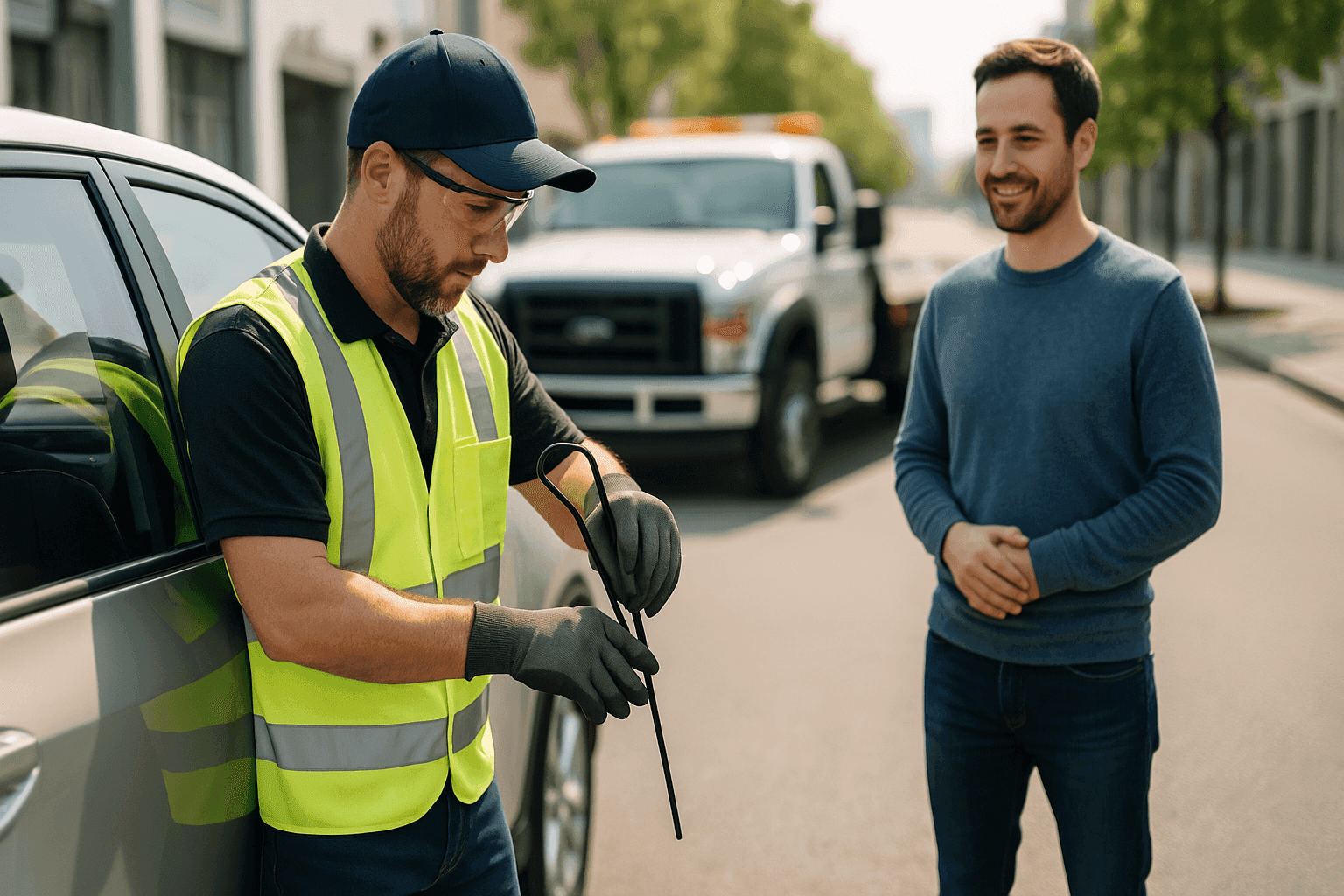
Getting locked out of your car is a heart-stopping moment. It can happen in a flash—one distracted second, and suddenly your keys are sitting on the seat, just out of reach. At T.W. Towing, we see it all the time. It’s frustrating, stressful, and sometimes, downright scary—especially after dark or on a busy roadside.
Whether you’re a commuter, a parent with a packed schedule, or a commercial fleet manager, vehicle lockouts don’t discriminate. The good news? With the right habits and a clear plan, you can dodge most lockouts—or handle them safely if they strike.
Common Causes of Lockouts 🚗
Every lockout has a story. Here’s what we see most often:
- Lost Keys: Misplaced at home, work, or even in the grocery store.
- Broken or Dead Key Fobs: Batteries die, circuits fail, or fobs get damaged in pockets and bags.
- Accidental Lock-Ins: Doors auto-lock while you grab your coffee, or a child or pet hits the lock button.
- Seasonal Factors: Cold snaps can shrink rubber seals, making doors close tighter and auto-lock more easily. Winter gloves and bulky clothes also make it easier to fumble keys.
- Distractions: Calls, texts, or simply being in a rush can make anyone forget their keys inside.
Even smart keys and digital entry systems aren’t immune. Technology helps, but it’s not foolproof—dead batteries and signal interference can leave you stranded.
Prevention Tips from the Pros 🛡️
A little intention goes a long way. Here’s how towing_services pros keep lockouts off their schedule:
- Always Check Before You Lock: Build a habit—pat your pocket, glance at your bag, or do a “key check” before closing every door.
- Use a Bright, Unique Keychain: Makes keys easier to spot and harder to leave behind.
- Keep a Spare Key Accessible: Store a spare with a trusted friend, family member, or in a magnetic lock box well-hidden on your vehicle (only if recommended for your car model).
- Consider Digital Solutions: Key trackers like Tile or Apple AirTag help locate lost keys fast. Many new vehicles offer digital keys or remote unlock via mobile app—learn how to use these features.
- Replace Fob Batteries Annually: Don’t wait for your remote to die at the worst time. Most take a simple coin battery.
- Organize Entry and Exit: Set a routine—always put keys in the same spot when you get home or to work.
For families and commercial drivers, consider keeping an extra programmed fob at your main base or with a supervisor.
What to Do If Locked Out
Stay calm. Panicking won’t open a door but can cloud your judgment. Follow these steps:
- Check All Doors and Windows: Sometimes a rear or passenger door is still open.
- Look for a Safe Place: Move out of traffic or harsh weather if possible.
- Call for Help: If you can’t access a spare or digital solution, it’s time to call a professional towing_services provider.
- Do Not Attempt Forced Entry: Coat hangers, screwdrivers, or window prying can cause hundreds (sometimes thousands) in damage—and may even trigger security systems.
- If a Child or Pet Is Inside: This is a real emergency. Dial 911 immediately for assistance.
Trying to get in yourself can be as risky as trying to pick a lock with a toothpick—damage is almost certain, and you may void insurance or warranties.
How Professionals Help
When you call T.W. Towing, you’re not just getting a quick fix. Our teams arrive with specialized tools—think of them as the “Swiss Army knives” of lockout rescue. Here’s what happens next:
- Assessment: We check the make, model, and lock type—modern cars, classic models, motorcycles, and even RVs need different approaches.
- Non-Destructive Entry: Using air wedges, long-reach tools, or manufacturer-approved lock-picking devices, we open doors without scratching paint or damaging electronics.
- Key Fob & Smart System Know-How: For digital and smart locks, our technicians use up-to-date techniques and consult automaker guidelines to avoid setting off alarms or disabling your system.
- Professional Conduct: We verify your identity and proof of ownership for your safety and security.
Expect clear communication about what’s happening and how long it will take. Most lockouts are resolved in minutes, not hours.
Safety and Damage Prevention
Your vehicle isn’t just a machine—it’s your daily companion, your workplace, or your family’s lifeline. That’s why T.W. Towing follows industry guidelines from the Towing and Recovery Association of America (TRAA) and National Highway Traffic Safety Administration (NHTSA) for safe, respectful entry.
- No Drilling, No Breaking Windows: Unless absolutely necessary for emergency rescue.
- Proper Use of Tools: Only tools designed for the job are used, minimizing risk to airbags, wiring, or door seals.
- Insurance-Friendly Methods: We document the process for your records, which can help with insurance claims if needed.
Tips for All Vehicle Types
Lockouts aren’t just a “car” problem:
- Trucks & Commercial Fleets: Keep spare keys in the office and update key control logs regularly.
- Motorcycles: Always check saddlebags and ignition before locking up.
- RVs & Specialty Vehicles: Learn where backup entry points are—some have hidden latches.
- Boats & Trailers: Store spare keys with your towing gear, not just onboard.
When It’s an Emergency
Sometimes, a lockout is more than an inconvenience. If you’re stranded at night, on a busy highway, or with vulnerable passengers, treat the situation seriously.
- Move to Safety: Stand away from moving traffic; use hazard lights and reflective gear.
- Call for Roadside Assistance: T.W. Towing offers 24/7 towing_services—including emergency lockout rescue.
- Document the Scene: Especially if you’re in an unfamiliar area or after an accident. Take photos and note key details.
If extreme temperatures or medical needs are involved, don’t hesitate to call emergency services.
Cost and Time Factors
Lockout service costs vary by vehicle type, time of day, and complexity (smart keys, luxury models, security systems). Here’s what you can expect:
- Time: Most lockouts are resolved within 15–30 minutes of arrival.
- Cost: Fees depend on your location, vehicle, and urgency—after-hours or specialty vehicles may cost more.
- Insurance: Many policies cover roadside assistance. Check your benefits before you need them.
No hidden fees, no upsells—just clear information before work begins.
Frequently Asked Questions
Can I use a coat hanger to unlock my car?
It’s risky. Modern cars have complex wiring and airbag systems in the doors. DIY methods often cause expensive damage and can trip security systems.
What if my key fob isn’t working?
First, try replacing the battery. If that fails, call for professional help—towing_services teams can often get you in and advise on fob replacement.
Do you handle commercial and specialty vehicles?
Absolutely. We’re equipped for everything from compact cars to heavy-duty trucks, motorcycles, RVs, and even boats.
What if I’m locked out far from home?
Our long-distance towing_services and vehicle transport can help you get back on the road or bring your vehicle to a safe location.
Local and Seasonal Considerations ❄️
Cold weather can make lockouts more common—gloves, snow, and ice are recipe for distraction. In summer, heat makes lockouts with children or pets especially dangerous. Always double-check before shutting the door in extreme weather.
If you’re in a busy city or rural area, keep T.W. Towing’s number handy—response times can vary with traffic, construction, or remote locations.
References
- Towing and Recovery Association of America (TRAA) – Vehicle Entry Guidelines
- National Highway Traffic Safety Administration (NHTSA) – Roadside Safety Tips
- Manufacturer Owner’s Manuals – Lockout and Key Fob Procedures
Vehicle lockouts can happen to anyone—but with a few simple habits and support from towing_services pros, you can stay one step ahead. Need fast, safe help for a lockout or other roadside emergency?
Call T.W. Towing now — or reach us anytime at 855-552-1854 .