Seasonal Towing Hazards: How to Prepare for Storms, Freezes & Heatwaves
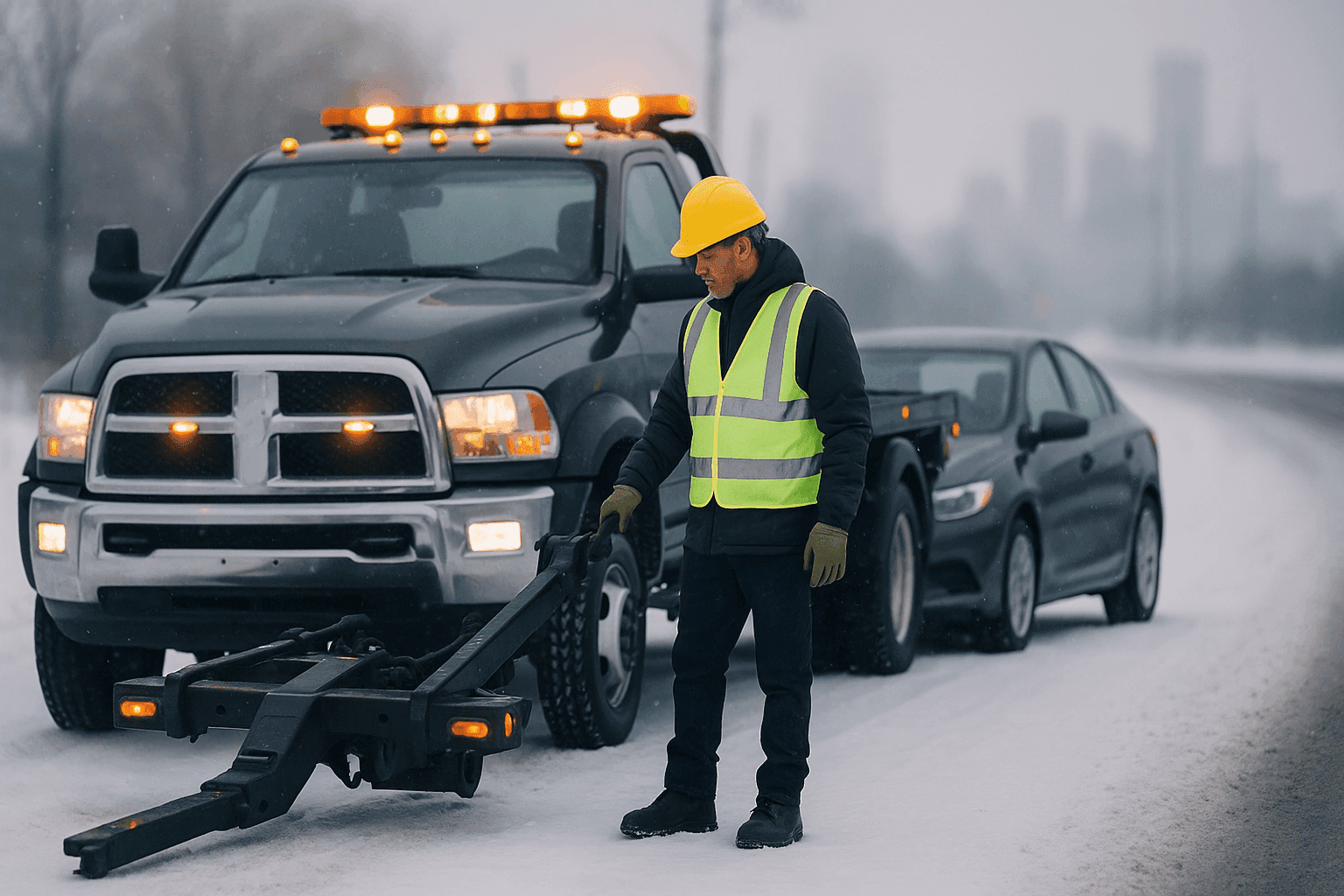
Sometimes, the weather changes in a blink. One moment it’s a sunny drive, the next—a downpour, icy road, or blistering heat. At T.W. Towing, we know firsthand how quickly a routine trip can turn into a stressful roadside emergency.
Every season brings its own set of hazards. Whether you’re a commuter, a business owner managing a fleet, or simply planning a long drive, understanding these risks is your first line of defense. This guide will help you anticipate, prevent, and respond to the challenges that storms, freezes, and heatwaves bring to the road.
Understanding Seasonal Hazards 🌦️
Risks Unique to Each Season
- Winter: Ice, snow, freezing rain, and early darkness. Roads turn slippery. Batteries die faster. Salt and sand can damage undercarriages.
- Summer: Heatwaves can fry engines, cause tire blowouts, and make breakdowns in direct sunlight dangerous.
- Storms: Sudden rain, hail, or wind can reduce traction, visibility, and cause fallen debris.
- Holidays: More travelers mean crowded roads, increased accidents, and distracted driving.
Weather’s Impact on Vehicles & Towing Needs
- Mechanical Stress: Extreme cold thickens fluids; heat strains cooling systems.
- Visibility: Fog, snow, or heavy rain limit what drivers—and tow professionals—can see.
- Demand Spikes: Bad weather means more calls for towing_services like vehicle recovery, jump starts, and accident scene cleanup.
Pre-Season Vehicle Checks 🧰
Before the weather shifts, a little preparation can save you hours of headache.
Maintenance Tips for Every Season
- Test Your Battery: Cold zaps battery strength; heat speeds up failure. Replace if older than 3–5 years.
- Inspect Tires: Check tread depth and pressure. Summer heat expands air, winter shrinks it.
- Top Off Fluids: Antifreeze, oil, wiper fluid—make sure they’re right for the season.
- Check Wipers & Lights: Visibility is crucial in storms and snow.
Build an Emergency Kit
Include:
- Blanket and warm clothing (winter)
- Bottled water and sunscreen (summer)
- Non-perishable snacks
- Jumper cables or a portable jump starter
- First aid kit
- Flashlight and extra batteries
- Flares or reflective triangles
- Phone charger
Planning Ahead
- Store T.W. Towing’s number in your phone.
- Let someone know your travel plans in bad weather.
- Keep your gas tank at least half full to avoid freezing fuel lines.
Safety During Seasonal Breakdowns 🚨
Getting stranded can feel like standing in the eye of a storm. Stay calm—here’s what to do.
If You’re Stuck in Extreme Weather
- Stay With Your Vehicle: It’s safer and easier for towing_services to find you.
- Call for Help Immediately: Give clear information about your location, vehicle, and situation.
- Make Yourself Visible: Use hazard lights, flares, or reflective gear.
- Conserve Resources: Run the engine only as needed for heat or AC, and crack a window for ventilation.
Communicating Your Location
- Use your phone’s GPS or a map app.
- Look for mile markers, exit signs, or landmarks.
- Share details like vehicle color, make, and nearby features.
How Towing Professionals Respond
When you call T.W. Towing, trained operators spring into action—no matter what the forecast says.
How Tow Operators Adapt
- Equipment Selection: We dispatch the right rig—flatbed, winch, or specialty tow—based on weather and vehicle condition.
- Safety Protocols: Operators wear high-visibility gear, use cones, and follow state and federal safety codes like those from the Federal Motor Carrier Safety Administration (FMCSA).
- Continuous Communication: We update you on estimated arrival times and any delays.
What to Expect During a Seasonal Emergency Call
- Assessment: Operator reviews your location and needs before arrival.
- Scene Safety: First priority is securing the area—especially in rain, ice, or low visibility.
- Recovery & Transport: Vehicles are gently loaded, secured, and transported to your chosen location or our storage facility.
Quick Safety Checklist Before You Drive
- [ ] Check weather forecast and road conditions
- [ ] Inspect tires, fluids, and battery
- [ ] Pack seasonal emergency kit
- [ ] Have T.W. Towing’s number handy
- [ ] Inform someone of your route in severe weather
DIY vs. Call a Pro
Some situations are manageable on your own—others aren’t.
When You Can DIY
- Minor tire inflation with a portable pump
- Topping off fluids
- Simple jump starts (if you have experience and the right equipment)
When to Call T.W. Towing
- Stuck in snow, mud, or water
- Vehicle won’t start after multiple attempts
- Accident scene cleanup or documentation needed
- Locked out of your car
- Towing for RVs, heavy-duty vehicles, or specialty equipment transport near you
What Pros Do On Arrival
- Scene Assessment: Scan for hazards—downed power lines, traffic, unstable ground.
- Safety First: Set up cones, warning signs, or traffic control if needed.
- Vehicle Recovery: Use winching, flatbed, or specialty towing_services to remove your vehicle safely.
- Documentation: Assist with photos for insurance claims, if requested.
- Roadside Repairs: Provide jump starts, tire changes, or emergency fuel delivery when possible.
Prevention & Maintenance
Prevention is worth a pound of cure—especially with unpredictable weather.
Regular Vehicle Care
- Schedule seasonal check-ups with a trusted mechanic.
- Clean undercarriages after winter to prevent rust.
- Replace worn wipers and check all bulbs.
- Review your insurance policy for roadside assistance options.
Fleet & Commercial Tips
- Conduct pre-trip inspections for every vehicle.
- Equip each unit with emergency supplies and up-to-date contact lists.
- Train drivers on seasonal hazards and emergency procedures.
Costs & Time Factors
Every call is different, but here’s how weather can affect towing_services:
- Winter/Icy Roads: Slower travel, increased use of specialized equipment (like chains).
- Storms: Detours for flooded or blocked roads, longer wait times.
- Heatwaves: More breakdowns, higher demand for roadside assistance and vehicle recovery.
Factors that affect your wait and service time:
- Severity of weather
- Traffic conditions
- Distance from tow operator
- Type of vehicle and needed service
When It’s an Emergency
Recognize when to call right away:
- You’re stuck in a dangerous spot (blind curve, busy highway, flood zone)
- Smoke, strong odors, or visible leaks
- Medical needs or small children in the vehicle
- You feel unsafe for any reason
If in doubt, call for help. Your safety comes first.
FAQ: Seasonal Towing Hazards
Q: Can extreme cold permanently damage my battery?
A: Yes—low temperatures can reduce battery capacity by up to 50%. Replace older batteries before winter.
Q: Are towing operators trained for severe weather?
A: Absolutely. Operators follow federal and local safety guidelines and receive hands-on training for all conditions.
Q: What should I do if my car overheats in summer?
A: Pull over safely, turn off the engine, and let it cool. Never open a hot radiator. Call for assistance.
Q: How do I know which towing_services I need?
A: Share details about your vehicle and situation when you call. We match you with the right service—flatbed towing, accident recovery, or equipment transport near you.
Local/Seasonal Considerations
While storms, freezes, and heatwaves strike across the country, every region has its quirks. Coastal areas face sudden rain and high winds. Mountain roads freeze fast and thaw slow. Urban drivers might see more congestion and accident risks during holidays or peak travel times.
No matter where you travel, T.W. Towing’s seasoned team is prepared to help—rain, shine, snow, or sizzle.
No one plans a roadside emergency. But with a little preparation—and the right towing_services partner—you can weather any storm. Call T.W. Towing now — or reach us anytime at 855-552-1854 .