Roadside Emergencies: When to Call for Towing vs. DIY Solutions
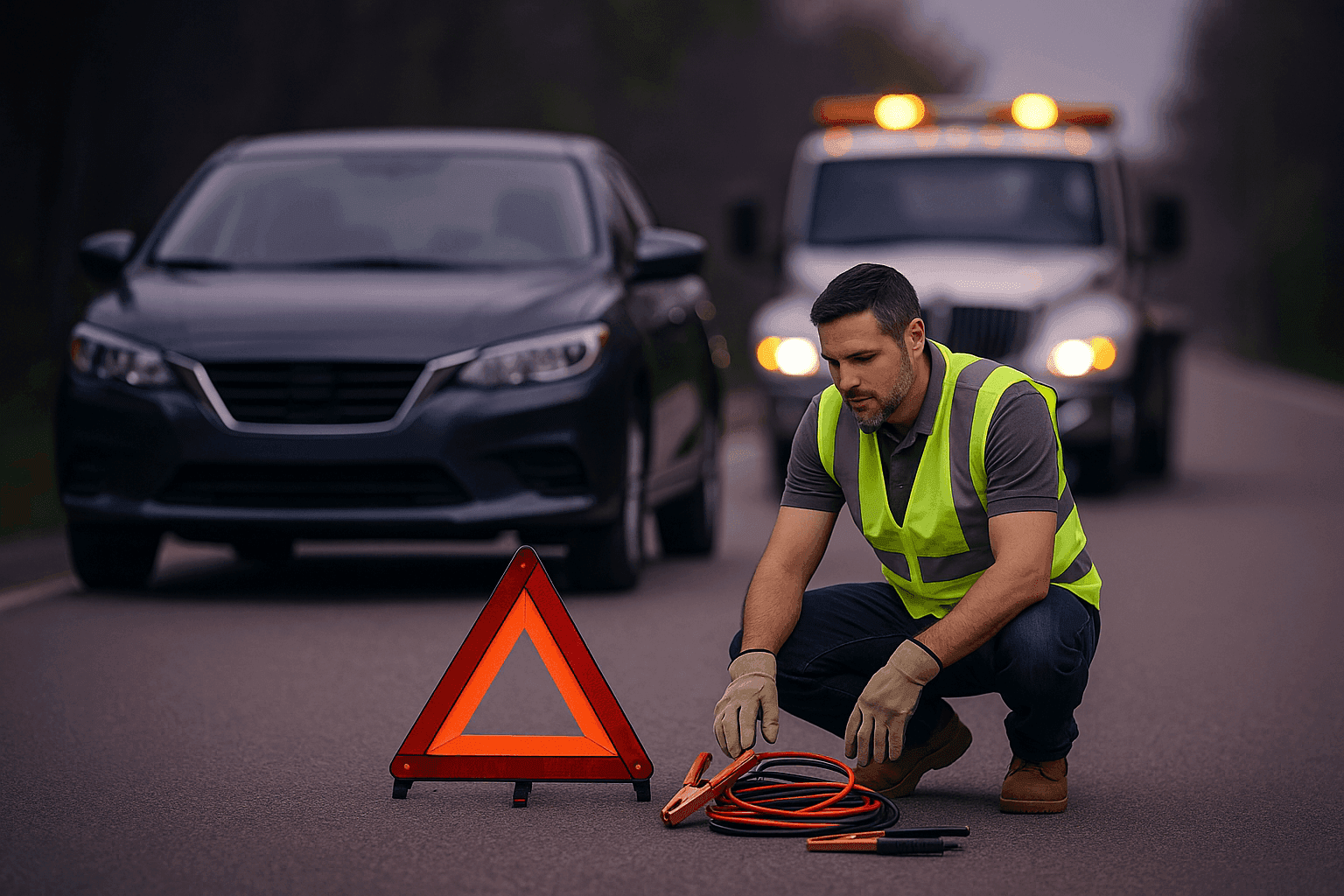
When your vehicle grinds to a halt or flashes warning lights, your heart might skip a beat. It’s a situation everyone dreads—stuck on the shoulder, hazards blinking, cars whizzing by. In that moment, the right call can keep you safe and get you back on the road faster.
At T.W. Towing, we’ve seen it all. Our team helps drivers every day—families on road trips, commuters, and fleet managers—navigate the stress of breakdowns and emergencies. Knowing when to try a fix yourself and when to call in towing_services could make all the difference.
Common Roadside Emergencies 🚗
No two days on the road are quite the same, but some mishaps pop up again and again. Here’s a quick look at the issues we see most:
- Flat Tires: Nails, potholes, or sudden blowouts can leave your car leaning, wobbling, or completely undriveable.
- Dead Batteries: Maybe you left your lights on. Maybe your battery just gave out. Either way, your car won’t start.
- Lockouts: Keys locked in the car, or fobs lost in the shuffle—suddenly you’re stranded on the wrong side of the glass.
- Out of Fuel: Sometimes a busy day or faulty gauge means you run dry far from the next gas station.
- Mechanical Breakdowns: Overheating engines, failed alternators, or snapped belts can bring your travels to a stop.
These problems might seem like small hurdles, but each can turn into a major headache if you’re unprepared or unsure what to do next.
DIY Solutions That Are Safe
Some roadside problems have straightforward fixes—if you know how and conditions are right. Think of it like patching a leaky faucet at home: with the right tools and a calm approach, you might not need outside help.
Safe DIY Fixes
- Jump Starts: If your battery’s dead and you have jumper cables (plus a willing helper), you may be able to get going again. Park both vehicles safely, turn off electronics, and follow the cable instructions. Always check your owner’s manual for specifics.
- Tire Changes: Swapping a flat for a spare is possible on level ground, away from traffic, and with the proper jack and wrench. Tighten lug nuts in a star pattern for safety.
- Adding Fuel: If you’ve run out, walking to a nearby station with an approved gas can is an option—if it’s safe. Watch for traffic, and never refuel on a blind curve or busy shoulder.
Safety Precautions
- Visibility: Wear a reflective vest if you have one. Turn on your hazard lights, especially at night or in low-visibility weather.
- Location: Only attempt repairs if you’re well off the roadway. If your car is close to traffic, on a hill, or in a dark area, it’s safer to call for help.
- Know Your Limits: If you’re unsure how to perform a fix, or if you’re uncomfortable, don’t risk it. Your safety is worth more than a speedy repair.
The National Highway Traffic Safety Administration (NHTSA) recommends always choosing safety over speed. If you feel exposed or uncertain, wait for professional help.
Situations Requiring Professional Towing
Some breakdowns are like a locked door with no key—no matter how handy you are, you shouldn’t try to force it. That’s when calling T.W. Towing or a qualified towing_services provider is your best move.
When to Call the Pros
- Collision Damage: After an accident, unseen structural damage or leaking fluids can make driving dangerous.
- Unknown Noises or Smoke: If your car makes odd sounds, emits smoke, or dashboard lights flash warnings, trying to “just drive home” could turn minor issues into major repairs.
- Fluid Leaks: Puddles under your car—oil, coolant, transmission fluid—signal trouble. Driving could cause engine failure or fires.
- Stuck Vehicles: Mud, snow, sand, or ditches can trap even the toughest trucks. Winching and recovery require special skills and equipment.
- Mechanical Failures: Broken suspension, overheated engines, or failed brakes are unsafe to DIY.
Risks of DIY Attempts
Trying to drive or fix a seriously damaged vehicle can lead to:
- Further vehicle damage (costing more in repairs)
- Injury to yourself or others
- Traffic citations or liability issues
The Occupational Safety and Health Administration (OSHA) and many state highway agencies remind drivers: If you’re ever in doubt, call for help.
How to Decide in the Moment
A breakdown can make your mind race. Here’s a quick checklist to help you decide between rolling up your sleeves or reaching for your phone:
- Am I in a safe spot—well off the road, visible, and on level ground?
- Do I have the tools, know-how, and time to make a fix safely?
- Is the problem simple (flat tire, dead battery, out of fuel) or complex (accident, leaks, mechanical damage)?
- Are there adverse conditions—bad weather, heavy traffic, poor lighting?
- Is anyone in the vehicle injured, or is there any threat of fire or chemical spill?
If you answer “no” to any of these, or if your gut says it’s risky, it’s best to call towing_services. Your safety and that of your passengers and other drivers matter most.
What Happens When Towing Professionals Arrive
It’s not just about hitching up and hauling away. At T.W. Towing, we bring a calm, methodical approach to every call:
- Scene Assessment: We evaluate hazards, secure the area, and keep everyone safe.
- Accident Documentation Assistance: If needed, we help you collect details for insurance or law enforcement.
- Vehicle Recovery: Whether it’s a simple tow, a winch-out, or flatbed transport, we match the right equipment to your needs—be it light-duty towing, heavy-duty towing, or Equipment Transport near you.
- Roadside Repairs: For minor fixes, like a jump start or tire change, we’ll get you moving if possible.
- Accident Scene Cleanup: We clear debris to protect you and keep roads safe for others.
Our training meets Department of Transportation (DOT) and industry standards, so you can breathe easy knowing help is on the way.
Prevention & Maintenance
An ounce of prevention is worth a roadside rescue. Here’s how to minimize the risk of emergencies:
- Regular Inspections: Check tires, brakes, fluids, and battery during routine maintenance.
- Emergency Kit: Carry a kit with a flashlight, jumper cables, reflective vest, first aid supplies, and basic tools.
- Know Your Route: Plan for fuel stops and be aware of remote stretches where help may be far away.
- Stay Alert for Recalls: Pay attention to vehicle safety recalls via the NHTSA or your manufacturer.
Good habits cut down on surprises. But if you’re ever caught off guard, you’ll know what to do.
Costs & Time Factors
Towing_services and roadside help come with costs—sometimes less than you’d expect.
- DIY Fixes: A jump start or tire change costs mainly your time, but only if it’s safe.
- Professional Towing: Costs vary by distance, time of day, vehicle type, and service needed (light-duty, heavy-duty, or Equipment Transport near you).
- Insurance: Some auto policies cover roadside assistance or towing. Check your plan before you need it.
- Time: DIY repairs can take 15–45 minutes if things go smoothly. Towing_services usually arrive within 30–60 minutes, with transport taking a bit longer for remote or complex recoveries.
Weigh the cost against the time, risk, and peace of mind.
When It’s an Emergency
Some moments leave no room for hesitation:
- After a Collision: Especially if injuries, leaking fluids, or traffic hazards are present.
- Vehicle Fire or Smoke: Exit the vehicle immediately, get far away, and call emergency services.
- Unfamiliar or Dangerous Areas: If you feel threatened or unsafe, stay inside a locked car (if safe) and call for assistance.
- Extreme Weather: Blizzards, storms, and heat waves can turn a minor breakdown into a serious risk.
In any of these cases, call for emergency towing_services right away.
FAQ
What if I don’t know what’s wrong with my car?
If you hear strange noises, see warning lights, or notice leaks or smoke, don’t risk it. Call for professional help.
Can I tow my own vehicle with a rope or chain?
This is rarely safe or legal. Modern vehicles require specific equipment to avoid damage or injury. Always use professional towing_services.
What if my car breaks down at night?
Turn on your hazard lights, stay inside with doors locked, and call for help. Visibility is lower and risks are higher after dark.
Is roadside assistance covered by insurance?
Many policies offer it as an add-on. Check your coverage details or ask your provider ahead of time.
Local and Seasonal Considerations 🌨️
Winter storms, summer heat, and remote roads all add layers of challenge:
- Winter: Ice and snow can trap vehicles quickly. Hypothermia is a risk. Always keep warm blankets and extra water.
- Summer: Engine overheating and tire blowouts are more common. Never leave children or pets in a stalled car during heat.
- Rural or Mountain Roads: Cell signals fade, and help may be farther away. Let someone know your route and expected arrival.
Local weather and geography shape your roadside risks. Plan ahead, especially during peak travel seasons.
When the unexpected happens, don’t gamble with your safety. Whether you need Equipment Transport near you, emergency towing_services, or help with an everyday mishap, T.W. Towing is here 24/7—fast, professional, and ready to help.
Call T.W. Towing now — or reach us anytime at 855-552-1854 .